Labels

Thursday, 26 April 2012

Antiques Hunter: French Rococo gilt mirror


This gilt mirror shows many attributes associated with French rococo design. The elaborateness of the decoration is typical of this era in design along with the extravagant curves and feminine form. The fact that it is a functional piece rather than a painting or sculpture is also significant, as rococo was first developed in decorative arts and interior design. A common characteristic of French rococo design is asymmetry which is present in the mirror. The material used creates a sumptuous look to the mirror which was sought after in 18th century when French rococo design was prevalent in society.

The French Rococo era is often described as soft, voluptuous and vaguely erotic. Hunter-Stiebel (2008) stated that “The yin-passive, resilient, female creativity...- has an equally long history that reached its apex in the eighteenth-century style we call rococo.” The curved nature and finicky ornament of the frame reinforces what Hunter-Stiebel wrote. The rococo style veers away from the geometric, masculine designs predominant in neo-classicism and concentrates on a more feminine and curvilinear style.

According to the Encyclopaedia Britannica (2012) “Rococo style represented a reaction against the ponderous design of Louis XIV’s Palace of Versailles and the official Baroque art of his reign. Several interior designers, painters, and engravers, developed a lighter and more intimate style of decoration... with delicate interlacing of curves and counter curves based on the fundamental shapes of the “C” and the “S,” as well as with shell forms and other natural shapes. Asymmetrical design was the rule. Light pastels, ivory white, and gold were the predominant colours, and Rococo decorators frequently used mirrors to enhance the sense of open space.” The design of the mirror clearly shows these characteristics and is an excellent representation of the French rococo design that was widespread in the early 18th century.

Although French rococo was popular in the 18th century the beauty in this piece would not be seen by all. Critics of the Rococo design period would declare this piece as ridiculous and confused. It’s over the top decoration intrudes beyond the frame to make what would be a practical object, impractical. Some would say it is frivolous and ephemeral, even symbolic of a corrupt society.


References:
Coffin, S., Davidson,G., Lupton, E., & Hunter-Stiebel, P. (2008). Rococo: The Continuing Curve, 1730-2008. New York City, United States of America: Assouline Publishing.
Rococo style. (2012). In Encyclopædia Britannica. Retrieved from http://www.britannica.com/EBchecked/topic/506448/Rococo-style

Friday, 30 March 2012

Research Statement and Annotated Bibliography

The research topic that I will be investigating is Neo-Classical Architecture as it is a fundamental style throughout history.

1. A book with a single author
 Palmer, A. L. (2011). Historical Dictionary of Neoclassical Art and Architecture. Maryland, United States of America: Scarecrow Press.

This book will be helpful in researching Neo-Classicism as it gives a concise overview of Neo-Classicism that focuses in on major artists and architects in the 18th century that influenced the style of the period. Studying major artists will help understand the reasons behind the style.

2. A scholarly journal article
Standen, E. A. (1925). Rococo and Neo-Classicism. Apollo, 114(233), 36. 

This journal article is appropriate as it highlights the differences between Rococo architecture and Neo-Classical architecture. It tells of the restrained style of the design and looks at the geometric style of the architecture. 

3. An edited book
Toman, R. (2007). Neo-Classicism and Romanticism: Architecture, Sculpture, Painting, Drawings. Koln, Germany. Ullmann Publishers. 

This edited book is relevant for the subject matter as it tells about the most important achievements in Neo-Classical architecture which is important when studying the design period. Learning about the major achievements will tell us more about the reasons behind the style of architecture.

4. A website
Galuzin, A. (2008). Neo-Classical Architecture. Retrieved from http://www.worldofleveldesign.com/categories/architecture/neo-classical/neoclassical_architecture.php

This website is a suitable source for researching Neo-Classical design as it gives a succinct summary of the main features of the design period. It also has many images which means the researcher can see for themselves what the author is writing about. It has annotated views of the features of Neo-Classical architecture such as the columns which helps understand the main components.

5. An image
Church, F. E. (1871). The Parthenon [Oil on canvas]. Retrieved from ARTstor database.

This image relates to the research topic as it is the essence of the Neo-Classical design period. This image gives a visual of the style of architecture that is being studied and shows the common features of Neo-Classical architecture such as columns, pediments and statues. 

Wednesday, 28 March 2012

Individual work


Isometric drawing of camera

I chose to use an isometric design style for my individual drawing as it gives a simple and holistic view of the object. I also chose it because it is regularly used in the design field as it clearly portrays three-dimensional objects in two dimensions. It also has merits due to the fact that it portrays ideas quickly and effectively because it has three views and also gives relative dimensions of the object.  


Isometric drawing of a house

Touch and Draw

Touch and draw of pliers

Section

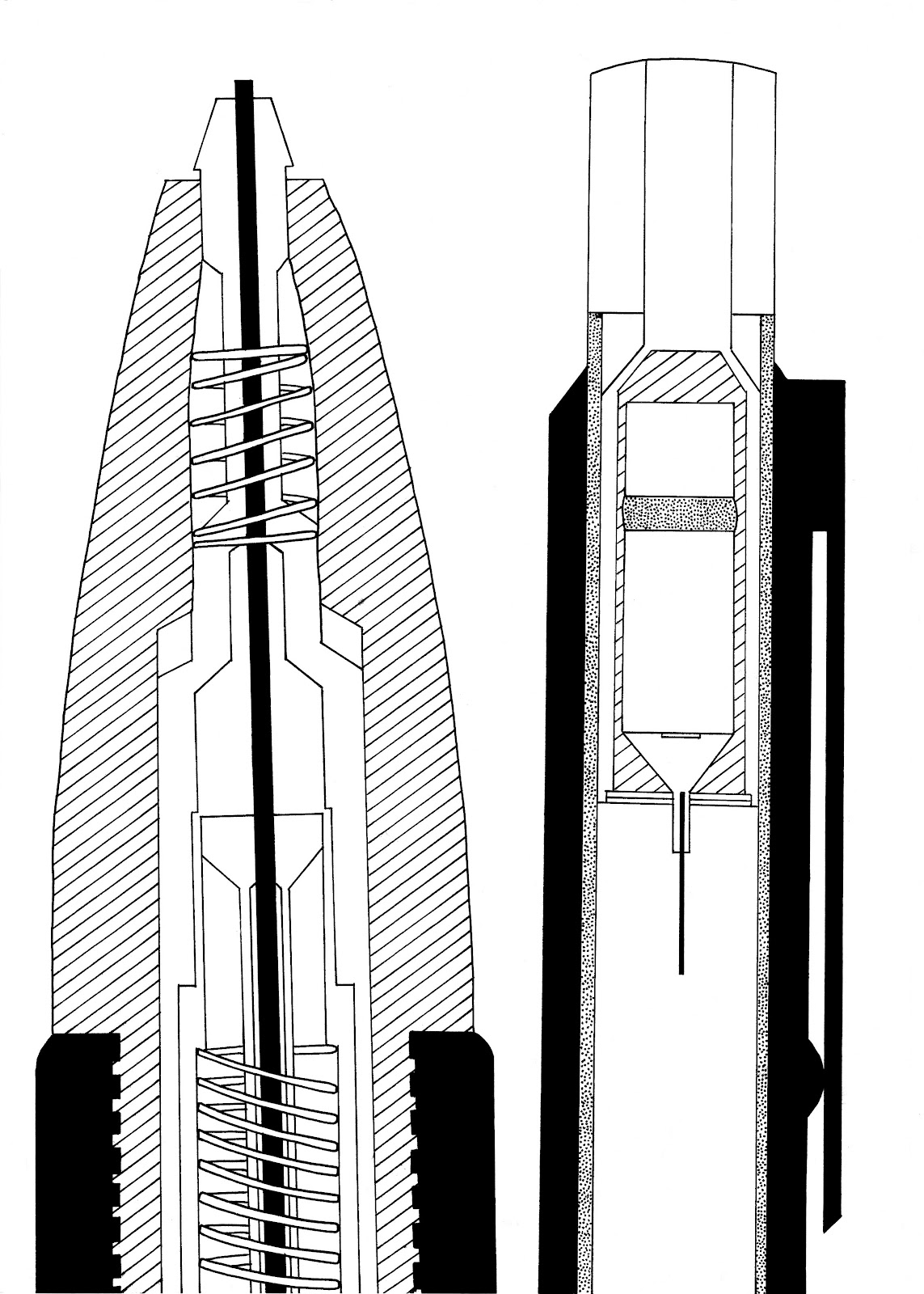
Abstract section of a mechanical pencil

Draw

Views of a camera

Hatch